Cart
0
You may also like




A modern battle belt is more than just a way to carry a handgun and magazines—it is your first line of support in a critical incident. When a shooting, range accident, vehicle rollover, or hunting mishap causes severe trauma, the gear you can access in the first 60–120 seconds often determines outcomes. Massive hemorrhage remains the leading preventable cause of death in combat and high-threat environments, which is why professional responders rely on compact, trauma-focused Individual First Aid Kits (IFAKs) as standard.
Unlike general first aid kits, an IFAK on your battle belt is built specifically around life-threatening injuries: severe bleeding, penetrating chest trauma, and airway compromise. Tactical medical guidelines like TCCC (Tactical Combat Casualty Care) and the MARCH algorithm prioritize interventions that control massive bleeding, protect the airway, support breathing, and prevent shock. Integrating these principles into a battle belt turns it from simple load-bearing gear into a life-saving system.
At Emblem Outdoor, a veteran-owned company based in Murrieta, California, the focus is on practical, field-proven gear for real emergencies—IFAKs, trauma supplies, and tactical equipment selected by people who understand what failure looks like in the real world. That same philosophy should guide how you configure your medical loadout on the belt line.
While IFAKs can be customized, most professional and military-style kits follow a common set of evidence-based components that map closely to the MARCH priorities.
1. Tourniquet (TQ)
A TCCC-approved tourniquet (CAT, SOF-T, SAM XT, TMT, etc.) is non-negotiable. It is the fastest and most reliable way to stop life-threatening extremity bleeding when direct pressure is not enough. Many experienced users carry at least one TQ on the battle belt plus additional units on plate carriers or in pockets.
2. Hemostatic Gauze and Packing Gauze
Hemostatic dressings (such as combat gauze) accelerate clotting in junctional or deep wounds where a tourniquet cannot be applied. Standard rolled or compressed gauze complements them, allowing proper wound packing and pressure.
3. Pressure / Compression Bandage
A dedicated trauma or “Israeli” bandage provides sustained pressure over packed wounds or larger lacerations, consolidating your bleeding-control system into a compact package.
4. Chest Seals
For penetrating trauma to the chest, vented twin-pack chest seals are the standard. They are designed to help manage sucking chest wounds and reduce the risk of tension pneumothorax while you await higher-level care.
5. Airway Adjunct (NPA)
A nasopharyngeal airway (NPA) with lubricant is often included in duty-grade IFAKs so trained providers can maintain a basic airway in an unconscious casualty. This should only be used by individuals who have received appropriate instruction.
6. Gloves, Trauma Shears, Marker, and Hypothermia Management
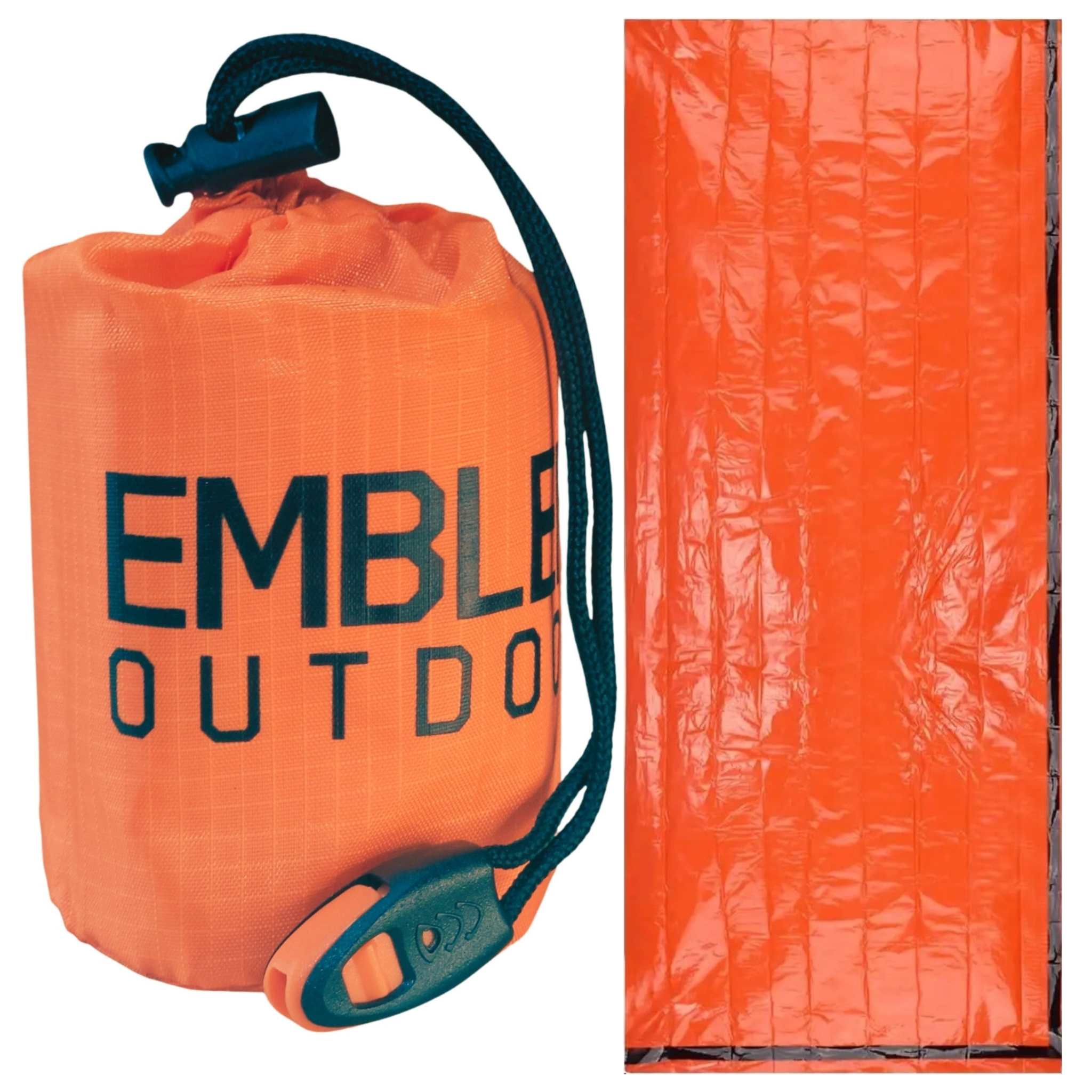
Nitrile gloves protect both rescuer and patient, trauma shears allow rapid access through clothing or gear, and a permanent marker lets you record TQ application times. Many modern IFAKs also include a compact emergency blanket or hypothermia wrap to reduce shock and exposure.
When you’re evaluating or building the best battle belt for trauma response, your IFAK should contain, at minimum, a TQ, gauze, pressure bandage, chest seals, gloves, and shears—augmented by airway and hypothermia tools as your training and mission justify.
The “best” configuration is the one you can access under stress, in low light, with either hand, and from awkward positions. However, several proven layout principles emerge from military and law-enforcement practice.
A low-profile IFAK pouch centered on the back or slightly offset allows either hand to reach it, even when you are shooting, using a light, or supporting a casualty. Tear-away or pull-out designs help you move the entire insert to the casualty instead of working behind your own hip.
Many professionals mount at least one TQ in an external sleeve at the front of the belt or just ahead of the hip so it can be ripped off and applied in seconds. Avoid burying tourniquets deep inside pouches; speed matters more than aesthetics.
Do not mix mags, tools, and medical items in the same pouch. In a real incident, you want a clearly-marked medical pouch—often with a red cross or MED patch—where every item is organized for blind access. Follow a consistent packing layout so your hands “know” where everything lives.
A quality battle belt designed for MOLLE-compatible pouches, with internal stiffening and a secure inner/outer belt system, will support the weight of an IFAK, mags, holster, and tools without sagging. Emblem Outdoor’s tactical lineup includes gear such as the Adjustable Nylon Tactical Battle Belt with Quick Release Buckle, giving you a stable platform to mount your trauma kit, holster, and other mission-essential tools. For shoppers looking to build or upgrade their setup, browsing the dedicated battle belt collection is an efficient way to compare options tailored to real-world use cases.
You can explore battle-belt-ready gear and trauma-focused accessories throughout the Emblem Outdoor catalogue on the main store homepage, including medical kits, range equipment, and tactical accessories curated for US shooters, professionals, and prepared citizens.
To configure a belt optimized for trauma, think in layers:
Mount the pistol, spare magazines, and tools so they do not interfere with rapid access to your IFAK or tourniquets. The best battle belt for emergency response will feel almost “boring” in use—nothing flops, snags, or shifts when you sprint, kneel, or go prone, and your medical gear is always exactly where your hands expect.
For a ready-to-build platform and compatible trauma gear, you can review Emblem Outdoor’s curated Battle Belt collection and tactical medical products here: https://emblemoutdoor.com/collections/battle-belt.
Q1. What is the difference between a battle belt and a regular duty belt?
A battle belt is purpose-built as a modular load-bearing system, typically with MOLLE/PALS webbing, internal stiffeners, and an inner/outer belt structure. It is designed to carry a pistol, magazines, IFAK, and other mission gear while distributing weight comfortably and keeping equipment accessible under high movement. Standard duty belts may lack the rigidity, modularity, and comfort required for fully loaded tactical use.
Q2. Where should I carry my tourniquet on a battle belt?
Most professionals carry at least one tourniquet externally on the belt—often at the front of the body or just forward of the hip—so it can be reached quickly with either hand. Additional TQs may be stored in the IFAK or on plate carriers, but the fastest-access unit should never be buried inside a pouch or under multiple layers of gear.
Q3. Is it legal for civilians in the USA to carry a trauma-ready battle belt?
In most US jurisdictions, civilians can legally own and carry battle belts, IFAKs, and trauma gear. Restrictions, where they exist, usually relate to firearms, magazines, or certain controlled medical devices (such as prescription-only drugs or invasive decompression needles), not to belts or basic trauma supplies. Always check state and local laws and seek legal counsel if you are unsure about specific equipment.
Q4. How do I choose the best battle belt for medical and range use?
Look for a belt that offers: a stiff internal structure; reliable quick-release buckle; MOLLE-compatible outer belt; secure inner belt or Velcro system; and enough real estate for holster, IFAK, magazines, and tools without excessive bulk. Customer reviews, veteran-owned brands, and suppliers who specialize in tactical and medical gear—such as Emblem Outdoor—are good places to start your search.
Q5. Do I need formal training to use an IFAK on my battle belt?
Yes. While owning trauma gear is a vital step, improperly applied tourniquets, chest seals, or airway adjuncts can be ineffective or even harmful. Organizations in the USA offer widely-available training such as Stop the Bleed, CPR/First Aid, and tactical medicine courses focused on civilian responders. Completing these courses is strongly recommended before relying on any IFAK in a real emergency.
A well-configured battle belt is more than a way to carry a sidearm—it is a compact emergency-response platform that can stop bleeding, support breathing, and buy time until EMS arrives. By combining a purpose-built battle belt, a properly stocked IFAK, and formal trauma training, you dramatically increase your capacity to protect yourself, your team, and your family when seconds count.
Emblem Outdoor’s veteran-owned team curates battle belts, IFAKs, and trauma gear for everyday defenders across the United States, with nationwide shipping and support from people who understand both the tactical and medical sides of preparedness. To explore battle-belts and medical setups designed for real-world emergencies, start with the Emblem Outdoor homepage and the dedicated Battle Belt collection.

